
BEDSIDE DIGITAL CARE PLATFORM
FlexCare: Patient Engagement & Digital Care Workflows
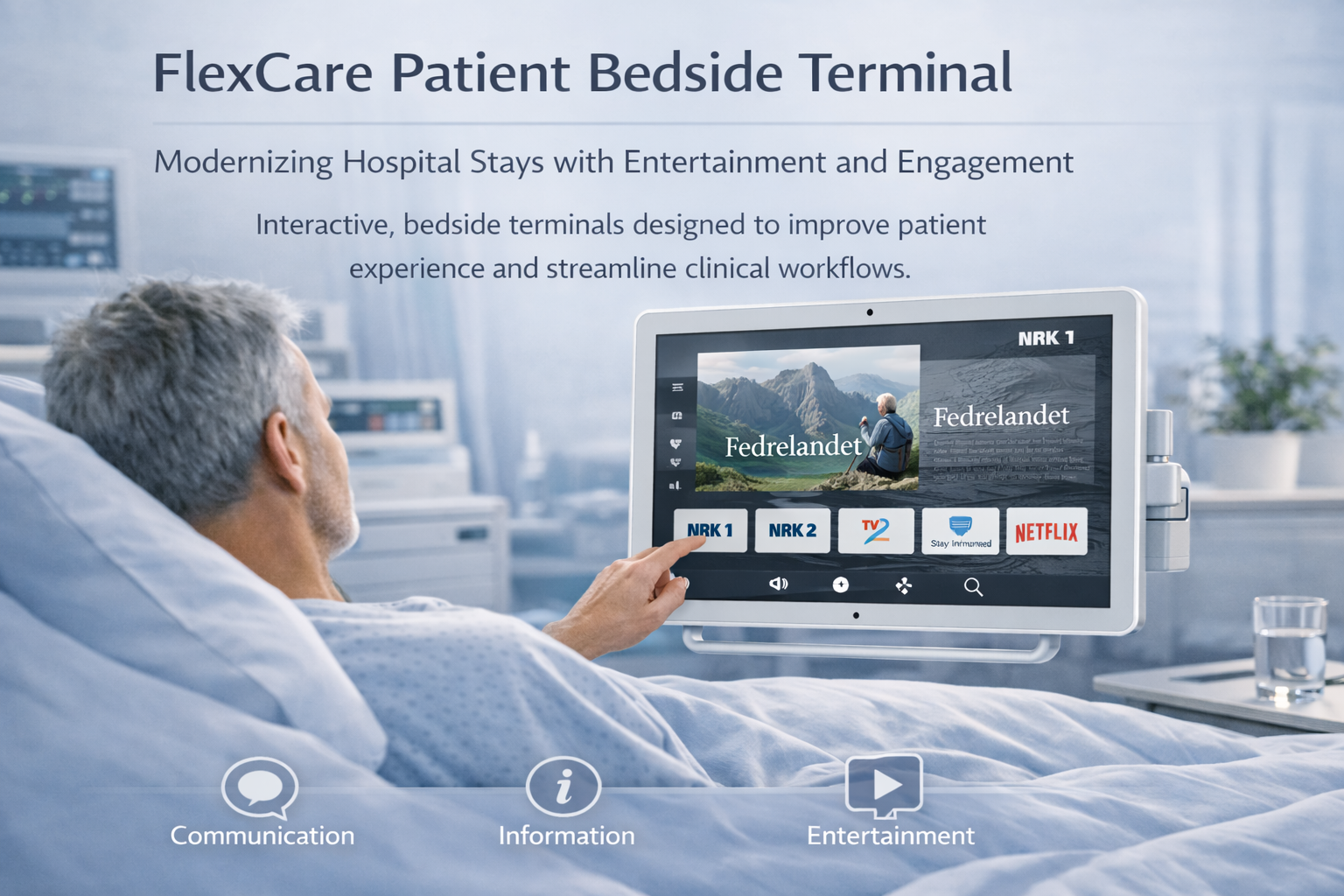
FlexCare is a patient platform for communication, monitoring, and digital services across care settings.
Enables patients, relatives, and healthcare professionals via a flexible, scalable setup
One Platform Across Hospital, Home and Transitional Care
FlexCare started in the hospital bedside context, where it supports patient information, communication and digital services directly at the point of care.
At the same time, the platform extends beyond the hospital. It can support hospital-at-home models, nursing homes, rehabilitation centres, hospices and home care workflows where patients or citizens need accessible information, communication and support.
This makes FlexCare a flexible digital platform across care environments.
Challenges in Modern Care Environments
Healthcare organisations are under increasing pressure to deliver more coordinated care with fewer resources, while patients are expected to be more informed and involved.
Workforce Pressure
Healthcare professionals face increasing workload and limited time for repeated communication and support throughout the day.
Patients Spend More Time Alone
Single rooms and decentralised care environments can reduce interaction, making it harder for patients to feel connected and supported.
Low Patient Engagement
When information is fragmented or only delivered verbally, patients may struggle to understand, remember and participate in their own care.
Inefficient Workflows
Staff often spend time on repetitive tasks and unnecessary movement that could be reduced with better access to shared information and tools.
Why Patient-Facing Platforms Matter in Modern Care
As healthcare environments become more complex and decentralised, patients are expected to understand more, participate more and transition more smoothly across care settings.
Studies show that patient-facing digital platforms can improve access to information, support patient involvement and strengthen aspects of communication between patients and healthcare professionals.
At the same time, these platforms can help reduce repetition in daily workflows by making relevant information, guidance and services available in one shared place.
However, digital tools are most effective when they support — not replace — human interaction and clinical care.
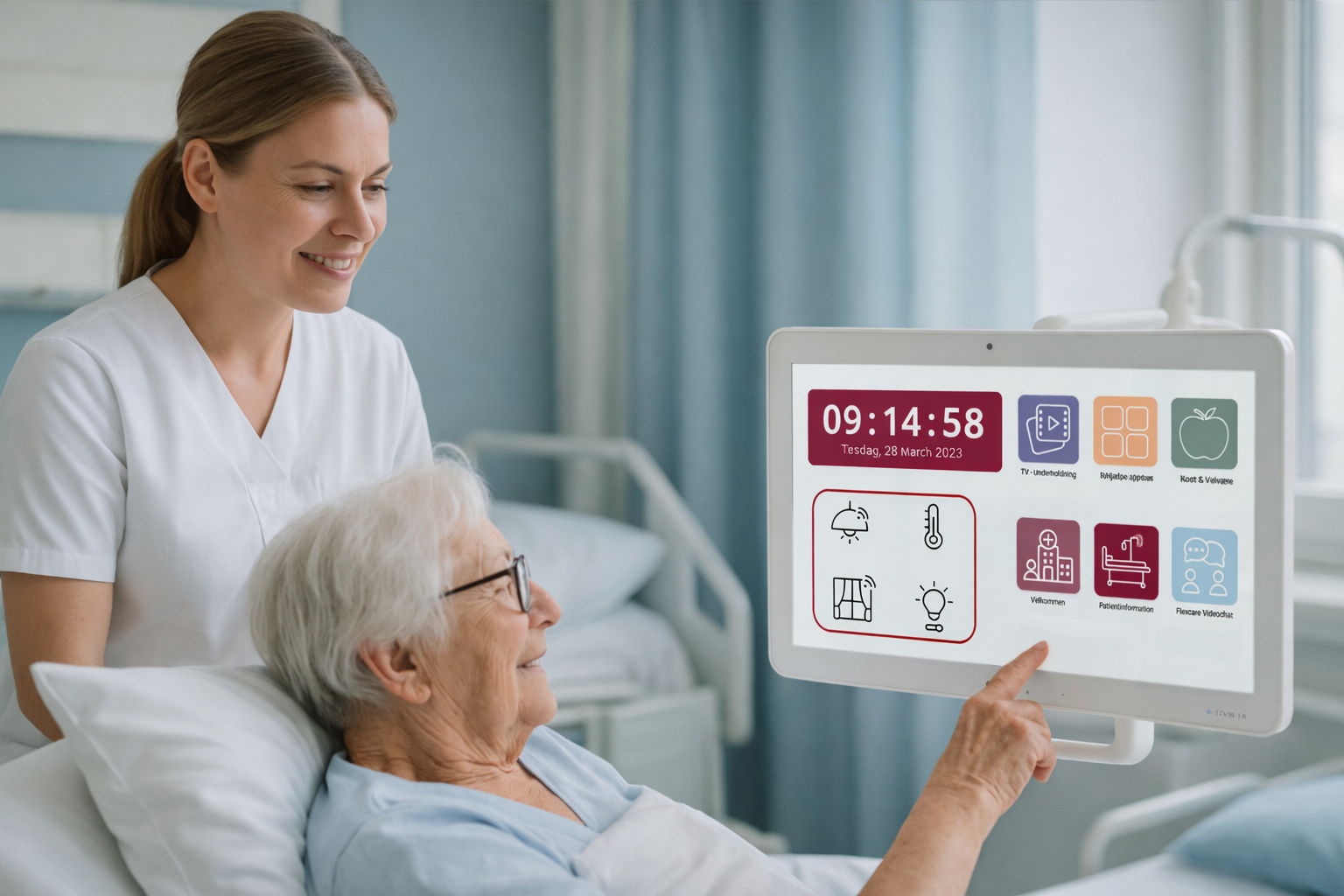
Better Patient Orientation
Information can be revisited and understood more clearly when available on demand.
Increased Patient Participation
Patients may feel more involved when they have access to relevant information and tools.
Workflow Support
Shared digital access can reduce repeated explanations and improve efficiency.
A Patient-Facing Platform for Information, Communication and Digital Services
FlexCare is a configurable digital platform that brings together patient information, communication, digital services and care-related tools in one unified interface.
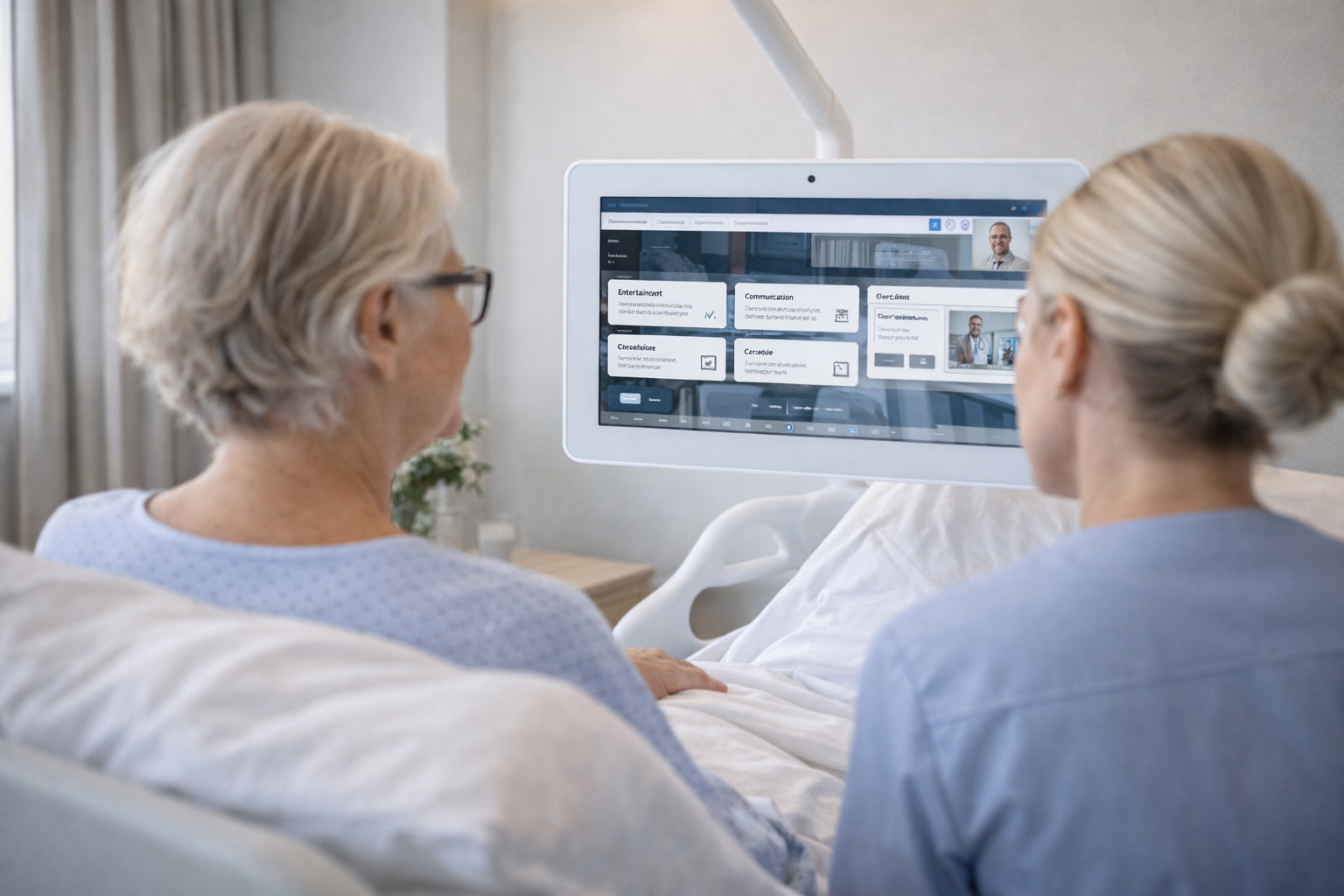
Patient-Facing Bedside Platform
FlexCare is designed as a screen-based platform placed directly in the patient or citizen environment, making relevant information, guidance and services accessible in one intuitive place.
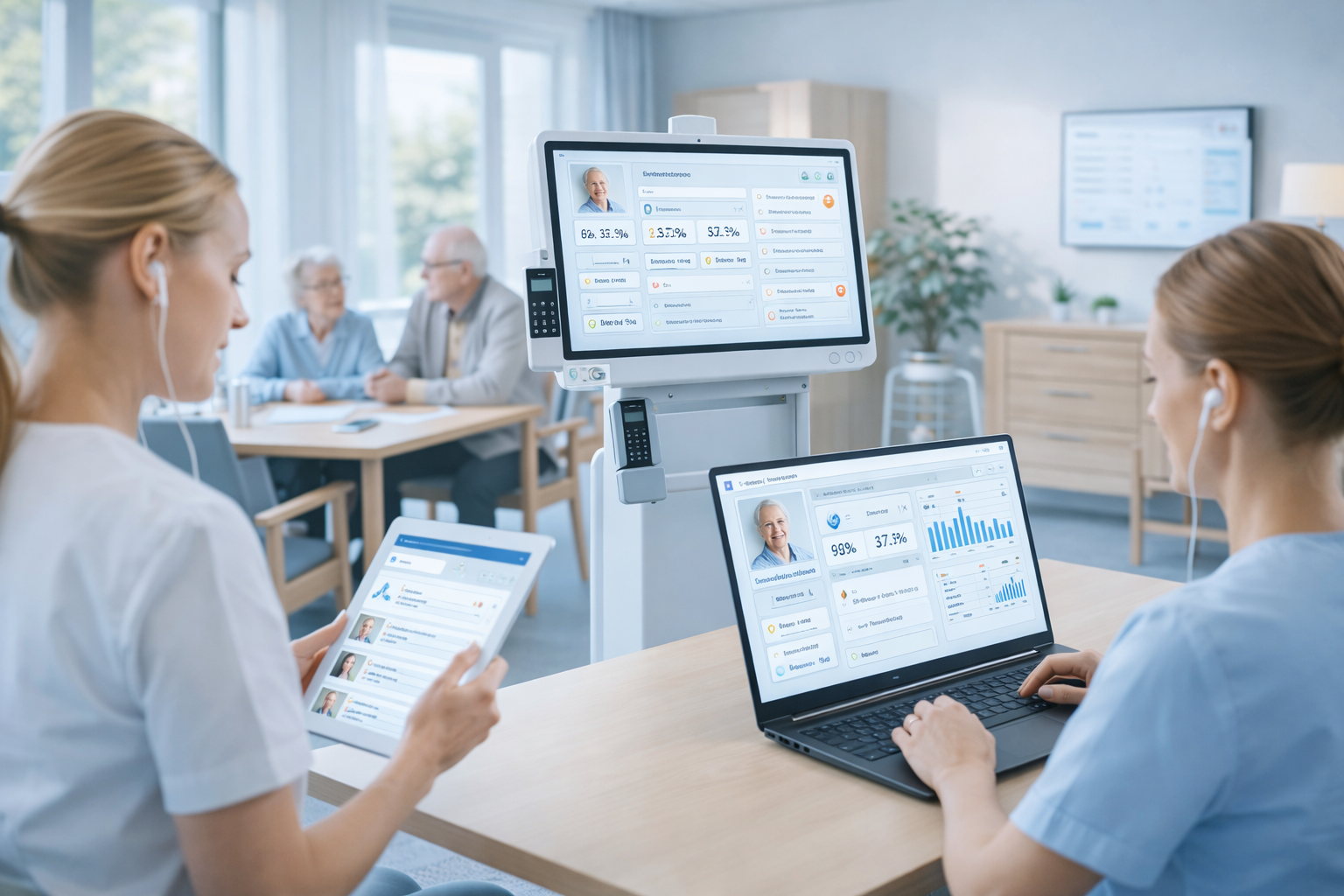
Shared Space for Communication and Participation
The platform supports dialogue, orientation and patient involvement by bringing together communication, information and selected digital functions in one accessible interface.
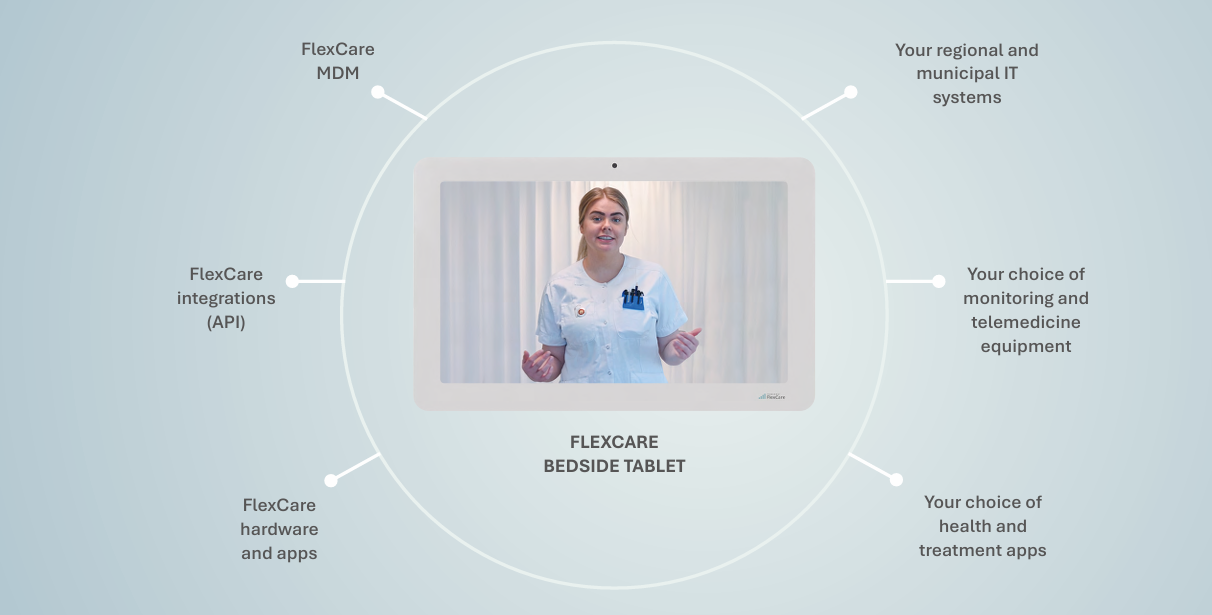
Flexible and Configurable Platform
FlexCare can be adapted to different departments, care settings and organisations through tailored content, profile setup, integrations and selected third-party applications.
Flexible Content and Customer-Specific Setup
FlexCare is designed as a configurable platform rather than a fixed one-size-fits-all solution. Departments can adapt content, workflows, and tablet profiles to local needs, while integrating selected applications and services.
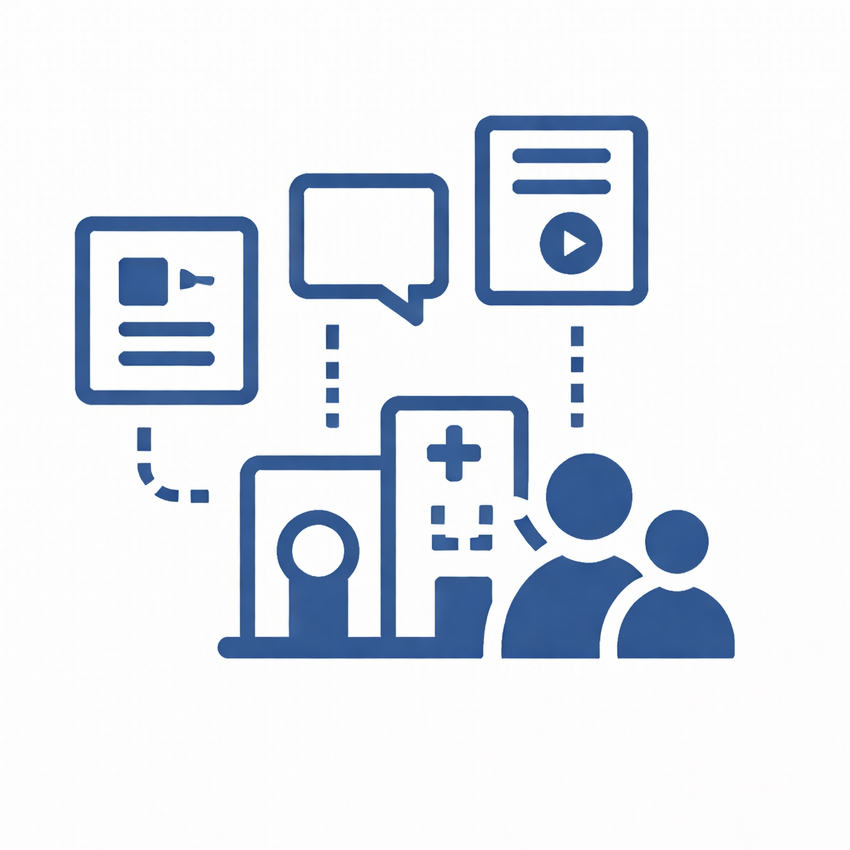
Department-Specific Content
FlexCare CMS allows departments to adapt content for patients and relatives quickly and locally.
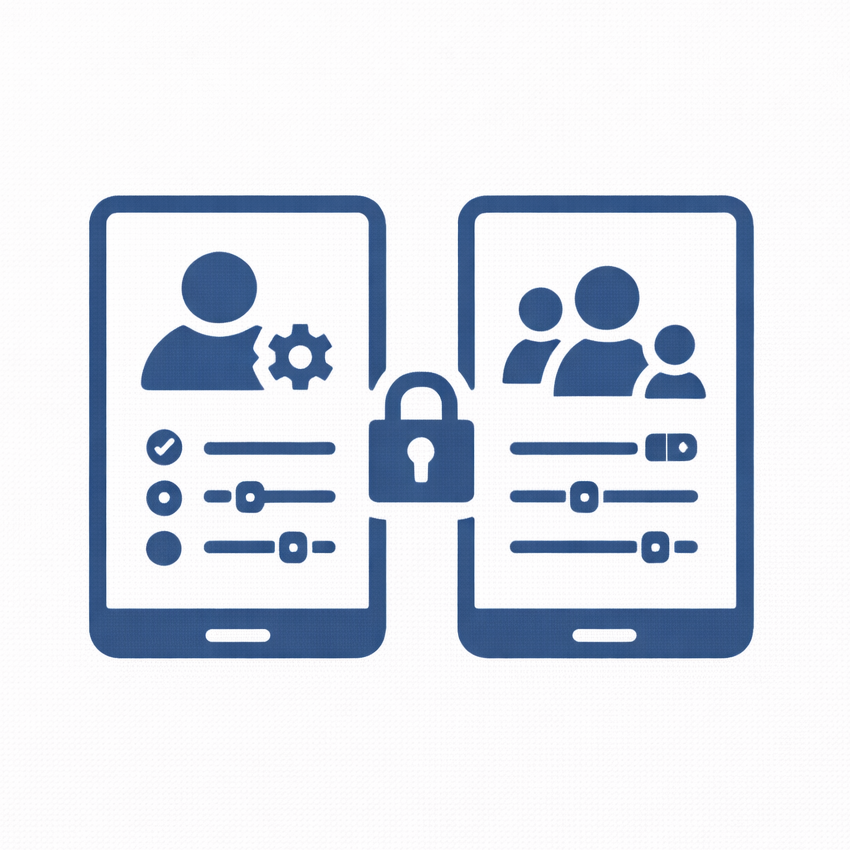
Configurable Tablet Profiles
FlexCare supports profile setup, layout management, and device-level permissions, enabling different departments to work with tailored tablet experiences.

Selected Third-Party Applications
The platform can include selected third-party applications such as rehabilitation tools, nutrition systems, communication apps, streaming services, and other relevant modules.
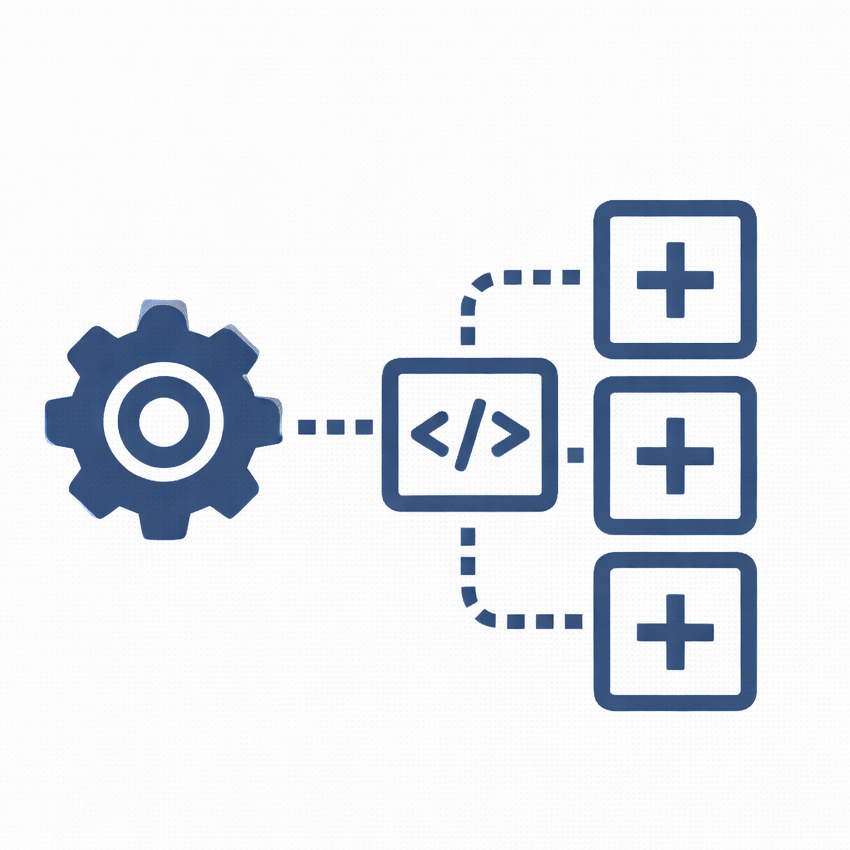
Open to Relevant Additions
FlexCare supports API-based integrations and an expandable platform structure, enabling organisations to extend functionality based on clinical and technical requirements.
See FlexCare in Clinical Use
This video shows how FlexCare is used in a real hospital environment in Denmark. It provides a practical view of the bedside setup, the patient-facing interface, and how the platform supports communication and digital services in everyday clinical workflows.
For healthcare organisations exploring bedside solutions, the video offers a concrete impression of how FlexCare can be implemented and used in practice.
How FlexCare Supports Communication, Guidance and Daily Care
FlexCare is designed to support everyday care environments by bringing information, communication and digital services together in one patient-facing platform.
Clear Information at the Point of Care
Patients and relatives can access relevant information, practical guidance and care-related content directly from the screen, helping reduce uncertainty and repeated explanations.
Better Communication and Orientation
FlexCare creates a shared point of reference for patients, relatives and staff by making communication, updates and selected digital functions easier to access.
Support for Daily Services and Activities
Depending on the setup, the platform can provide access to meals, entertainment, rehabilitation content, sensory stimulation and other patient-facing services.
Flexible Support Across Local Workflows
Because FlexCare is configurable, organisations can adapt content, profiles and functions to match local routines, departments and care environments.
One solution, multiple care environments
FlexCare supports care teams across a wide range of clinical and home-based settings. Whether the goal is earlier discharge, better continuity, or safer remote follow-up, FlexCare helps providers monitor patients with confidence and act when it matters.
Hospitals
Support earlier discharge, reduce unnecessary bed occupancy, and maintain visibility after patients leave the ward. FlexCare helps hospital teams extend monitoring beyond the bedside.
Hospital at Home
Enable acute-level follow-up in the patient’s own home with continuous remote monitoring and timely escalation when needed. FlexCare supports safer care delivery outside the hospital.
Nursing Homes
Strengthen clinical oversight for vulnerable residents and detect deterioration earlier. FlexCare helps staff respond proactively while improving collaboration with external care teams.
Rehabilitation
Monitor progress, recovery, and risk during transitional care and rehabilitation pathways. FlexCare makes it easier to follow patients consistently between visits.

Hospices
Support comfort-focused care with reliable monitoring that helps teams stay informed while minimizing unnecessary disruption. FlexCare contributes to more responsive and reassuring care.
Home Care
Give home care professionals better insight into patient status between in-person visits. FlexCare helps prioritize interventions and supports safer care at home.
Delivering measurable impact in remote care
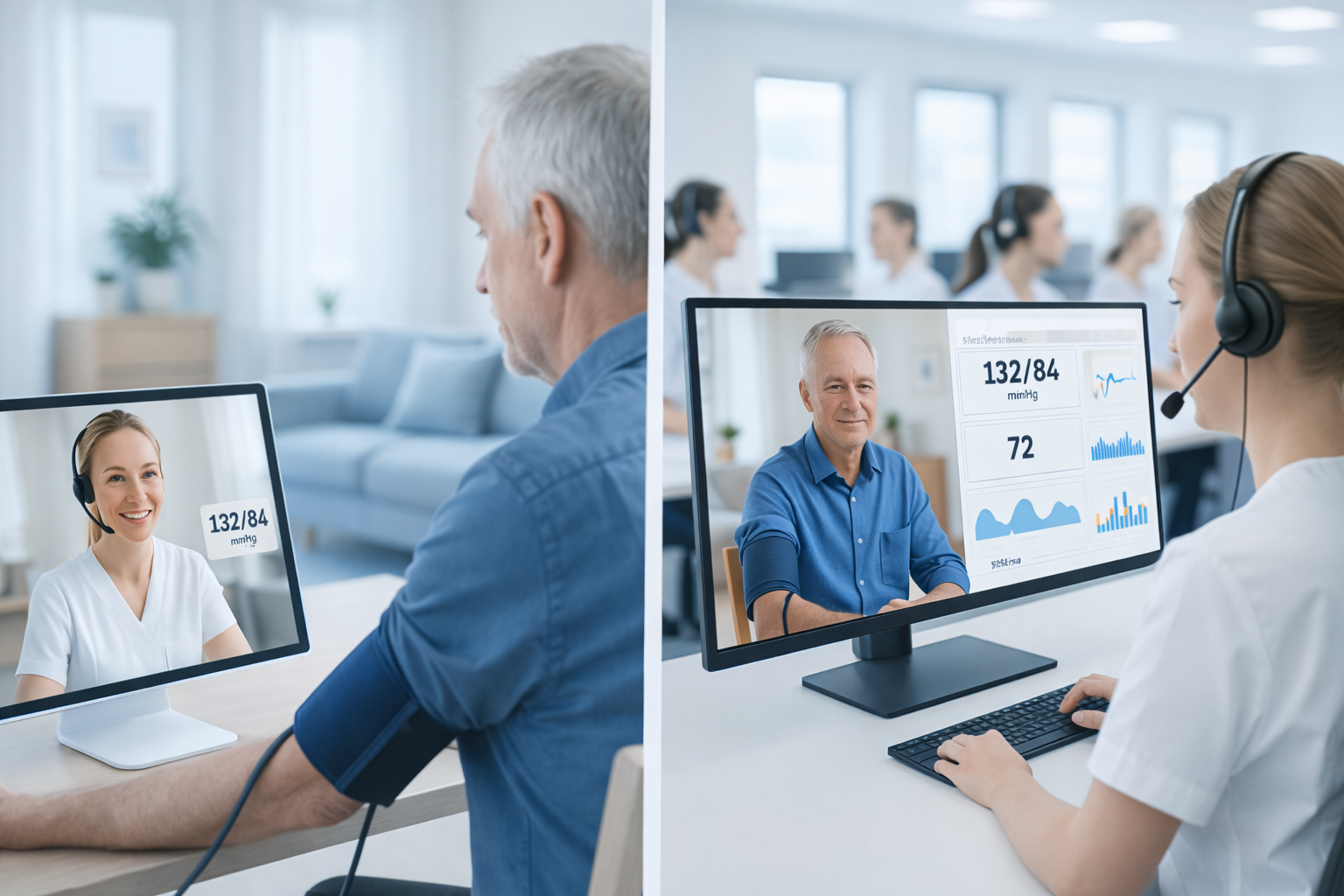
FlexCare is already supporting healthcare providers in improving patient outcomes, optimizing workflows, and reducing unnecessary hospital utilization. With continuous monitoring and actionable insights, care teams gain the confidence to act earlier and more effectively.

Representation
Stevn Technologies AB represents FlexCare from PowerNet ApS in Australia, Finland, Norway, and Sweden.
Explore Whether FlexCare Fits Your Healthcare Environment
If you would like to explore how FlexCare can support bedside engagement, digital patient services, or broader care workflows in your organisation, we welcome a dialogue.